
 Apple Podcasts

 Spotify

 RSS Feed

 Amazon Music

 Audible

 iHeartRadio

 YouTube

 Podcast Addict

 PlayerFM

 Deezer

 Pandora

 TuneIn

 Podchaser
What More Evidence Do You Need Than a Woman’s Fear? The Murders of Stephanie Moseley, Wendy Black, and Tara Labang
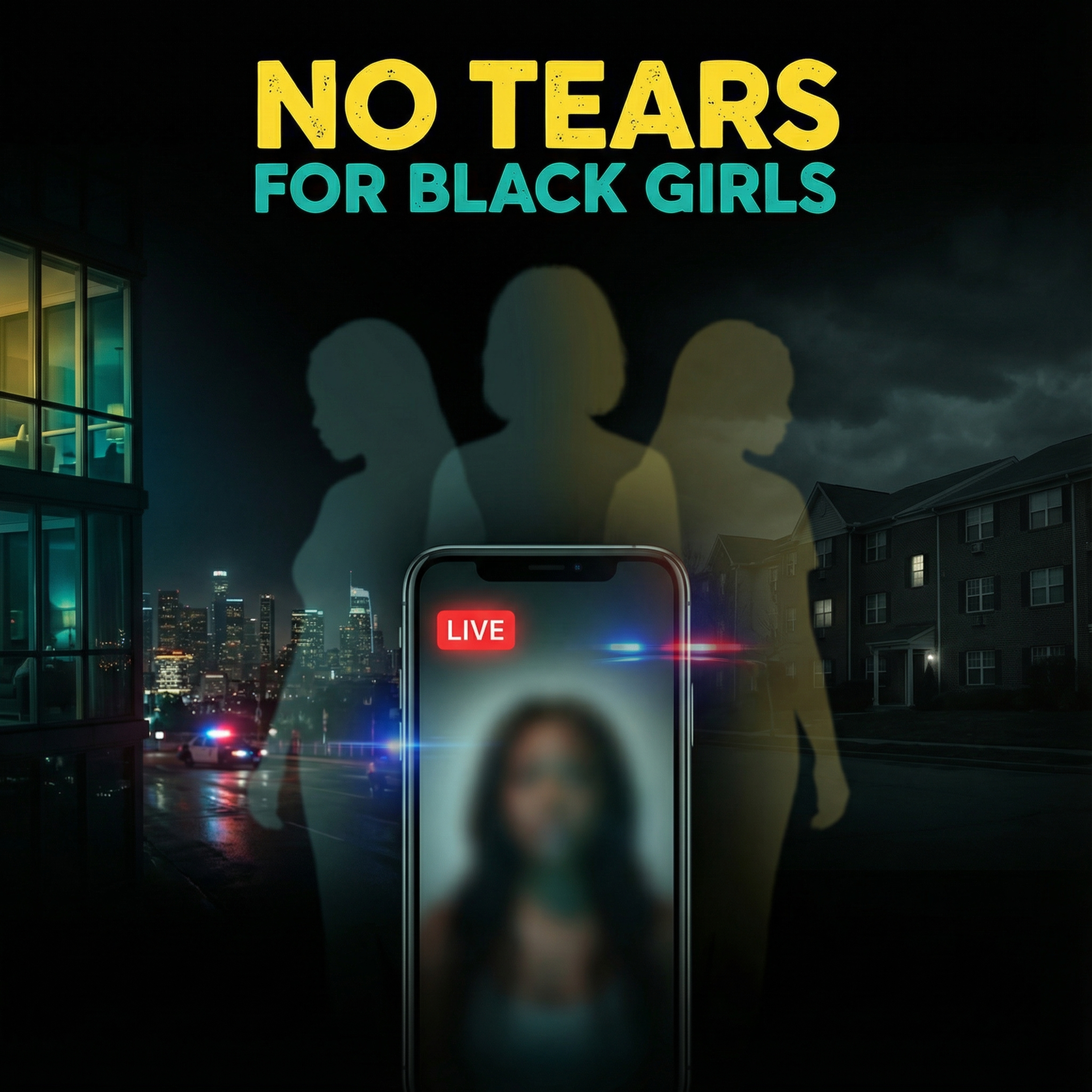
Imagine watching a murder unfold through a phone screen—and doing nothing. In this episode of No Tears For Black Girls, host Samantha Paul unpacks the connected stories of three women whose lives were stolen by men who believed their rage mattered more than women’s right to live: dancer and actress Stephanie Moseley, shot in her Los Angeles apartment while her husband FaceTimed Floyd Mayweather; Wendy Black, a Maryland nurse anesthetist who begged the courts for protection and was told her fear wasn’t enough; and Tara Labang, a healer whose killing became a footnote to a Facebook Live confession. Three women. Two killers. One broken system that turned every warning sign into paperwork and excuses.
This isn’t a whodunit—it’s an examination of how. How protective orders get denied even when women say “he threatened to kill me with a gun.” How red flag laws are supposed to remove weapons from dangerous people, and why they so often aren’t used in time. How media headlines humanize some victims while reducing others to “domestic incidents.” Through survivor-centered storytelling, data on intimate partner violence, and a hard look at police, courts, and tech platforms, Samantha argues these deaths were not inevitable tragedies—they were preventable failures.
To go even deeper into this world, you can read our ongoing No Tears For Black Girls book series on Amazon. The series is available in both paperback and e‑book formats, and digital copies are included at no extra cost with an eligible Amazon Kindle subscription (such as Kindle Unlimited).
CREDITS:
Created, Written, & Produced by John Reedburg
Hosted & Narrated by Samantha Paul
Production Company: John Reedburg Media
SOCIAL MEDIA LINKS:
https://www.youtube.com/@NoTearsForBlacksGirls
facebook.com/notearsforblackgirls
instagram.com/notearsforblackgirls
tiktok.com/@notearsforblackgirls
0:00 Imagine this. You're lying in bed next to your husband. It's Monday morning, December 8th, 2014. Los Angeles, the Palazzo East Apartments, luxury living with floor to ceiling windows overlooking the city. You've been married three years. You're a professional dancer and actress on VH1's Hit the Floor. You've worked with Chris Brown. Britney Spears performed on stages most people only dream about. At 30 years old, you're finally getting the recognition you deserve. But your husband? He's a rapper who never quite made it. He's in Floyd Mayweather's entourage, living off proximity to fame instead of earning his own.
0:44 And lately he's been paranoid, obsessed, convinced you're cheating on him with R&B singer Trey Songz. You've told him 1000 times it's not true. You separated 2 years ago over these same accusations, then reconciled because you loved him. You thought love would be enough. It's not. You hear him on the phone in the other room. His voice is different today, flat, cold. He walks into the bedroom holding his phone. He's Facetiming with Floyd Mayweather. Floyd's trying to talk him down. You hear Floyd's voice through the speaker, urgent, pleading.
1:25 Your husband raises his other hand. He's holding a gun. You open your mouth to scream. The first shot tears through you, then another and another. Floyd Mayweather watches through a phone screen, helpless, 1000 miles away. Your name was Stephanie Moseley, and the man who killed you thought jealousy justified murder. Picture this. You're a nurse anesthetist in Columbia, MD. It's Saturday, December 11th, 2021, seven years after Stephanie. You're in your apartment, maybe doing laundry or reading a book or making lunch.
2:05 Normal Saturday afternoon things. You have a daughter you're fighting to protect. Your ex-husband, also a nurse anesthetist, has been terrorizing you for months. You filed for a protective order. You told the court he threatened to kill you with a gun. You showed them text messages, documented his escalating rage, explained how afraid you were. The judge denied your petition. Insufficient evidence. They said you needed more proof. What more evidence do you need than a woman's fear? Six months pass. You try to feel safe in your own home, but you can't. And today your worst fear comes true.
2:48 Your ex-husband forces his way into your apartment. He's already killed his other ex-girlfriend, Tara. Earlier today, he confessed to that murder on Facebook Live streaming his breakdown to the world. Now he's in your home. You fight, You beg, you try to reason with him. Nothing works. He shoots you multiple times. Then he turns the gun on himself. Your name was Wendy Black. The court told you your fear wasn't enough. Six months later, you were dead. One more story. You're a healer, Filipino, Hawaiian heritage, a woman who dedicated her life to saving others.
3:31 It's Saturday morning, December 11th, 2021, same day as Wendy. You're in Baltimore, less than 30 miles away from where Wendy will die later today. You used to date a man named Raji. Nurse anesthetist. Intelligent, professional. But the relationship ended and you moved on. He didn't. He's been texting you, calling you, showing up unannounced. This morning, he shows up again. Maybe you let him in because you think you can talk to him. Maybe you're trying to be kind. Maybe you don't realize how dangerous he's become. He kills you. Then he gets in his car and drives to Facebook. Not the company, the platform. He goes live, confesses to your murder, tells the world he's not done. He drives to Columbia, to his ex-wife Wendy's apartment. After he kills her, after he kills himself, your name becomes a footnote, the first victim, the catalyst. But you weren't a footnote.
4:31 Your name was Tara Labang, and you deserved so much more than being the first body in a spree killers rampage. When I first came across these cases, Stephanie Story was already well known because of the Floyd Mayweather connection. Celebrity tragedy, tabloid headlines. The kind of case that gets attention because famous people were adjacent to it. But Wendy and Tara? I found them buried in local news archives, barely a blip in the national conversation. Three women, two killers, one devastating pattern. Men who believe their rage mattered more than women's lives. And I couldn't stop asking how many more women have to die before we stop treating intimate partner violence like a private family matter and start treating it like the public health crisis it is. I'm Samantha Paul.
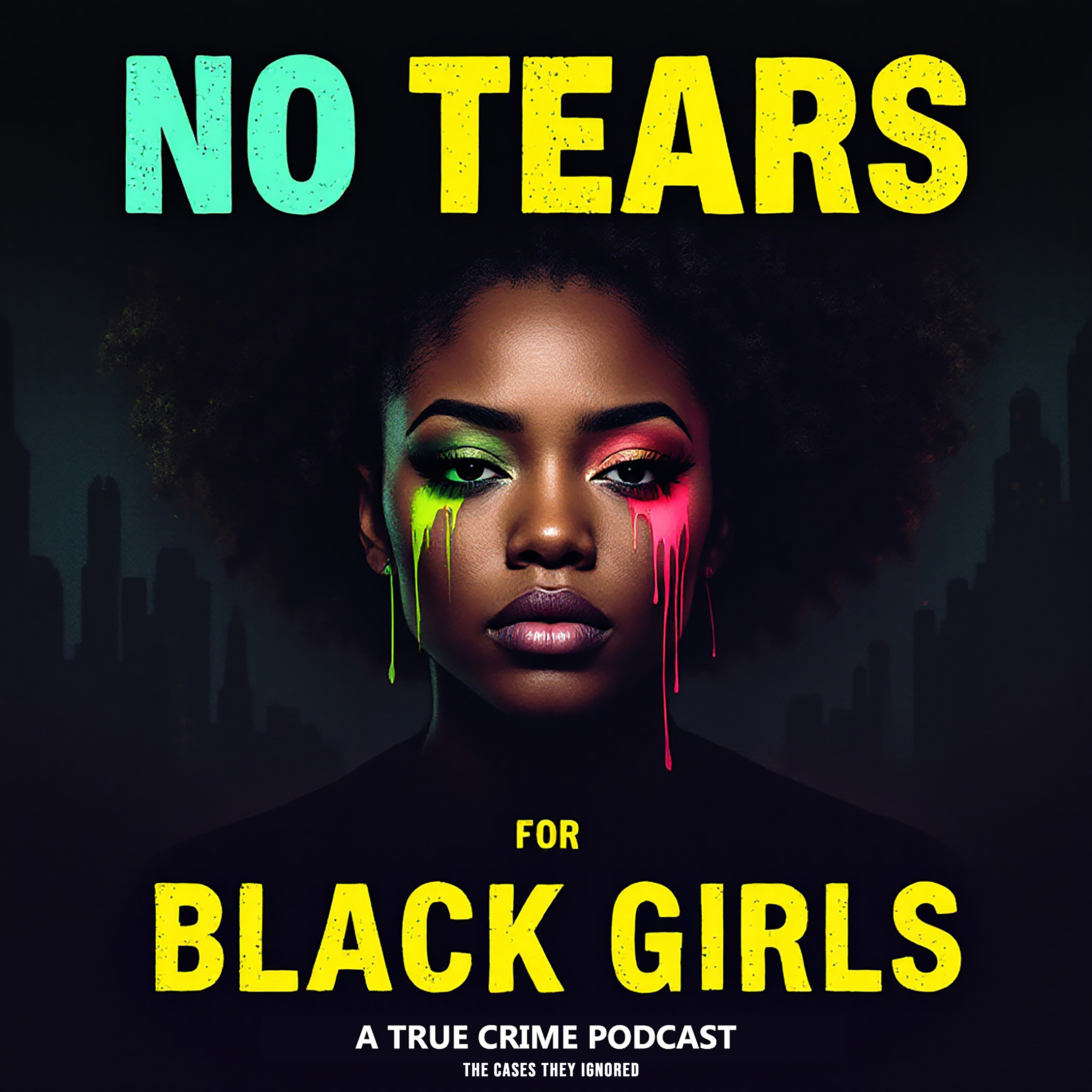
5:21 This is no tears for black girls. The cases they ignored. If you're new here, we don't just tell true crime stories. We expose the systems that failed these women. We connect the dots and we demand accountability. Let's talk about patterns. When Nicole Brown Simpson was murdered by OJ Simpson in 1994, she had called the police. 9 * 9 documented cries for help. The system failed her. When Rihanna was beaten by Chris Brown in 2009, photos of her battered face went viral, but he served no jail time. When Gabby Petito went missing in 2021, the story dominated every news cycle for weeks.
6:05 Wall to wall coverage, national search efforts. And yes, her case mattered. But compare that to the hundreds of missing and murdered Indigenous women, Black women, Latina women whose cases never made it past local news. The media called Gabby's disappearance A tragedy. They called Wendy and Tara's murders a domestic incident. You see the difference? One case gets humanized, the others get categorized. Here's what the data shows. One in four women in the United States will experience severe intimate partner violence in their lifetime. For Black women, that number is 35% higher. Black women are nearly three times more likely to be murdered by an intimate partner than white women.
6:51 Not because Black men are inherently more violent, but because when Black women report abuse, they're less likely to be believed, less likely to receive protective orders, less likely to get the resources they need to escape. The system is designed to fail them, and then we act surprised when they end up dead. So let's talk about Stephanie Moseley, Wendy Black, and Tara Lebang, 3 women who should still be alive. Let's talk about Earl Hayes and Raji Black, two men who chose violence. And let's talk about the systems that enabled both tragedies, Because these deaths weren't inevitable.
7:32 They were predictable, preventable, and entirely the fault of a society that refuses to take women's fear seriously. Stephanie Moseley was born in Vancouver, Canada. She moved to Los Angeles to chase a dream, and she caught it. Professional dancer, actress. She worked with some of the biggest names in entertainment. Chris Brown, Britney Spears. You've probably seen her work, even if you didn't know her name. She was cast on VH1's Hit the Floor as one of the Devil Girls. Finally, her face was being seen, not just her choreography. She was beautiful, talented, hard working, and she was married to Earl Hayes, a rapper who never quite broke through.
8:19 He was part of Floyd Mayweather's entourage, which meant he had access to wealth and fame without earning it himself. That kind of proximity breeds resentment. Earl was jealous of Stephanie's success, obsessed with the idea that she was cheating on him, specifically with Trey Songz. There's no evidence the affair ever happened, but in Earl's mind, it didn't matter. Perception was reality, and his perception was poisoned by jealousy, insecurity, and rage. Wendy Black was a nurse anesthetist. If you don't know what that means, let me tell you. It's one of the most demanding jobs in healthcare. CRN as administer anesthesia, monitor patients during surgery, make life or death decisions in seconds. Wendy was smart, capable, dedicated. She had a daughter, she was building a life. And then she met Raji Black, also a nurse anesthetist. On paper, they seemed like a good match. Same profession, same education level, same ambition. They got married, had a child together, but the marriage fell apart.
9:32 Custody battles, restraining order attempts. Raji couldn't accept that Wendy had moved on. In his mind, if he couldn't have her, no one could. Tara Labang was a healer in every sense of the word. Friends described her as someone who lit up every room she entered. She had that rare combination of intelligence and warmth, the kind of person who made everyone around her feel seen. She worked in healthcare like Wendy and Raji. She dated Raji after his marriage to Wendy ended, but she broke up with him, moved on with her life, and Raji couldn't handle it.
10:13 Another woman who rejected him. Another woman who had the audacity to choose herself over him. Earl Hayes and Raji Black. Two men, different cities, different circumstances, but the same entitlement, the same belief that women existed to validate them. And when those women refused, violence was justified. Earl convinced himself he was the victim of Stephanie's alleged infidelity. Raji convinced himself he was the victim of Wendy's custody fight and Tara's rejection. Both men told themselves a story where they were the wronged party. Both men use that story to justify murder. Let's be clear.
10:54 Jealousy is not love, control is not protection, and murder is not passion. These are the lies we tell ourselves to make male violence seem understandable. Earl didn't kill Stephanie because he loved her too much, he killed her because he didn't see her as a person. She was an object he owned and when he thought someone else had touched his property, he destroyed it. Raji didn't kill Tara and Wendy because he couldn't live without them, he killed them because they dared to live without him. December 8th, 2014. Stephanie and Earl are in their apartment at the Palazzo East in Los Angeles.
11:35 Luxury building security. The kind of place where you're supposed to feel safe. Earl is on FaceTime with Floyd Mayweather. Floyd's in another city, maybe Vegas, just talking to his friend. And then Earl's mood shifts. He starts talking about Stephanie, about Trey Songz, about betrayal. Floyd realizes something's wrong. He tries to talk Earl down. Stay calm. Don't do anything stupid. Think about what you're doing. But Earl's already decided. He walks into the bedroom where Stephanie is. Floyd can see her on the screen. Earl raises a gun, Floyd screaming now, begging him to stop. But Earl fires once, twice, multiple shots. Stephanie Mosley, 30 years old, dies in her own bed while a boxing champion watches through a phone screen, helpless. Floyd calls 911, but it's too late for Stephanie. LAPD and SWAT respond.
12:41 By the time they breach the apartment, Earl has turned the gun on himself. Murder suicide, The phrase the media uses when men kill women and then take the cowards way out. The news reports focus on Floyd Mayweather. What did he see? What did he hear? How traumatized is he? And yes, Floyd was traumatized. Witnessing murder scars you. But here's what bothers me. Floyd was on the phone with Earl for several minutes before the shooting. He heard the threats, he saw the gun. And he didn't call 911 until after Stephanie was already dead. Could he have saved her if he'd called sooner? We'll never know.
13:25 Floyd's not legally responsible for Stephanie's death. Earl is. But there's a question that haunts me. When you witness someone threatening violence, do you have a moral obligation to intervene? I think you do. December 11th, 2021, Seven years after Stephanie Raji Black wakes up that Saturday morning with a plan. He drives to Baltimore, to Tara's Place. The woman he used to date, the woman who broke up with him. What happens in those moments before he kills her? We don't know. Maybe she tried to reason with him. Maybe she fought. Maybe she begged. All we know is that Tara Labang dies that morning. And then Raji does something chilling. He gets in his car, opens Facebook on his phone, goes live, starts confessing, tells his followers he just killed Tara, says she drove him to it.
14:23 Says he's not done, Says Wendy's next. People are watching this in real time, commenting. Some beg him to stop. Some don't believe it's real. Some think it's a sick joke. It's not. Raji drives from Baltimore to Columbia, MD, less than 30 miles. Wendy's apartment. She filed for a protective order months ago, told the court Raji threatened to kill her with a gun. The judge denied it. So Wendy's home alone. When Raji forces his way inside, she fights. Neighbors later report hearing screaming, but no one calls the police in time. Raji shoots Wendy multiple times. Then he turns the gun on himself. By the time police arrive, three people are dead. Tara, Wendy, Raji and the Internet has footage of a man confessing to murder in real time. Here's what makes me sick.
15:20 Wendy Black told the system she was in danger. She went to court, filed paperwork, documented threats, said the words. He threatened to kill me with a gun and the judge said not enough evidence, denied. What more evidence do you need than a woman's fear? We expect women to predict their own murders, to have documented proof that the man threatening them will follow through. We expect them to wait until after the first act of violence to get protection, and by then it's often too late. Wendy did everything right. She left the marriage. She filed for protection. She told the truth and the system said come back when he actually tries to kill you.
16:04 Six months later he did, and she didn't get to come back. The investigations were straightforward because both killers were dead. In Stephanie's case, LAPD had Floyd Mayweather's witness testimony. They had the 911 call. They had the bodies. Murder, suicide case closed. No trial, no accountability. Just two families burying their dead in Wendy and Tara's case. Baltimore PD and Howard County PD had even more evidence. Facebook Live confession, digital trail witnesses who saw Raji driving between crime scenes.
16:45 Murder suicide, case closed. But here's what doesn't close the questions. Why didn't Wendy's protective order get granted? Why didn't anyone intervene when Raji was live streaming his confession? Why do we have a system that waits for women to die before we take their fear seriously? After Stephanie's death, people asked why she stayed with Earl after their first separation. After the jealousy and accusations, why did she go back? After Wendy's death, people asked why she didn't just leave sooner. Why did she marry Raji in the 1st place? These questions miss the point. The question isn't why did she stay, the question is why did he kill her?
17:32 We put the burden of survival on women. We tell them to leave abusive relationships, but we don't talk about the fact that leaving is the most dangerous time. Women are 70 times more likely to be killed by their abuser in the weeks after they leave than at any other point in the relationship. Stephanie left Earl once they reconciled, she thought it would get better. Wendy left Raja, filed for divorce, filed for a protective order. She did everything the system told her to do and she still died. Los Angeles, Baltimore, Columbia, MD different cities, same story. Luxury apartments and suburban homes. It doesn't matter where you live. Domestic violence doesn't care about your zip code. the Palazzo East where Stephanie died had security guards and gated entry. Didn't matter.
18:27 Wendy's apartment in Columbia was in a safe neighborhood, Didn't matter. Tara's home in Baltimore had neighbors close enough to hear, Didn't matter because the danger wasn't outside. It was intimate, known, trusted the men who killed them, had keys or knocked on doors that opened. They didn't need to break in. They were already inside. Let's talk about the systems that failed these women protective orders. In theory, they're supposed to keep abusers away. In practice, they're pieces of paper that rely on abusers following rules. And abusers don't follow rules. But even a flawed protective order is better than nothing.
19:11 It gives police the authority to arrest on site. It creates a legal record. It shows the court that a woman is afraid. So when Wendy Black filed for a protective order and told the court Raji threatened to kill her with a gun and the judge denied it, that wasn't just bureaucratic failure. That was a death sentence. What more evidence do you need? A body. Because that's what you got six months later, Wendy Black's body. I want you to think about that, judge, the one who denied Wendy's petition. I want you to imagine them reading the news, seeing Wendy's name, realizing they could have helped her.
19:53 Do they feel responsible? Do they regret it? Or do they tell themselves it's not their fault, that they were just following procedure? Because here's the thing about systems. They let individuals hide behind protocols. The judge who denied Wendy's order can say I was just applying the standard. The police who didn't take Stephanie's previous calls seriously can say we didn't have enough evidence. The Facebook employees who saw Raji's confession in real time but didn't immediately alert police can say we're not law enforcement. Everyone has an excuse, and women keep dying. Black women face intimate partner violence at rates 35% higher than white women.
20:37 They're 2.7 times more likely to be murdered by a partner. Why? It's not because Black men are inherently more violent. It's because when Black women report abuse, they're less likely to be believed. When they seek protective orders, they're more likely to be denied. When they call the police, they're more likely to be dismissed. The system is built on biases that say Black women are strong, resilient, unbreakable. Which sounds like a compliment until you realize it means people don't think we need help, don't think we can be victims, don't think our fear is legitimate. The strong black woman trope kills us because when we say we're in danger, people assume we can handle it, and when we can't, they blame us for not being strong enough. Here's where these cases stand as of January 2026. In the years after Stephanie's death, California expanded its red flag law, what the state calls a gun violence restraining order.
21:39 If someone's threatening violence, family members or police can petition to temporarily remove their firearms. Would it have saved Stephanie? Maybe, if someone had reported Earl's escalating threats? If Floyd had called police earlier? If a red flag petition had been filed. But it requires people to act. Wendy Black's murder poured gasoline on the already burning debate in Maryland about how hard it is to get a protective order, making the standards less stringent. Believing women when they say they're afraid. But the reforms haven't passed. Committees, debates, bureaucracy. Meanwhile, women keep filing for protective orders and some still get denied. Tara Lebang's death is barely mentioned in the discussions about reform.
22:30 She's the footnote, the first victim, the warm up act to the main tragedy. And that's the problem. We don't value all victims equally. Stephanie got attention because Floyd Mayweather was involved. Wendy gets attention because the protective order denial is such clear system failure. Tara gets overlooked. But Tara mattered. Her life mattered. And if we forget her, we've learned nothing. Stephanie Mosley is buried in Vancouver, her hometown. Her family remembers her as a light, a dancer who moved with grace on stage and in life. Her social media pages are still up, frozen in time, photos of her smiling, performing, living.
23:17 People still comment, rest in peace. You deserved better. Gone too soon. Wendy Black is buried in Maryland. Her daughter, the child she fought to protect, had to grow up without a mother. Wendy's colleagues in the medical field remember her as brilliant, dedicated, the kind of nurse you wanted in the room during a crisis. Tara Labang is buried with honors befitting a healer. Her family and friends created a Memorial Fund, raising money for funeral expenses and a scholarship in her name. Community support. Turning grief into action. That's how we honor the dead. Not with thoughts and prayers.
23:58 With change. Here's what I need you to understand. These deaths were preventable. Not in a vague, philosophical sense. In a concrete, actionable sense. If Earl Hayes had been reported for his threats and his guns removed, Stephanie might be alive. If Wendy Black's protective order had been granted, she might be alive. If someone had called the police the moment Raji started live streaming his confession, Tara might be alive. Every single one of these tragedies had an intervention point, a moment where someone could have done something and no one did, or they did and the system failed them anyway.
24:40 That's the part that should enrage you, not the inevitability, the preventability. If you're listening to this and you recognize yourself in these stories, if you're afraid of your partner, if you've thought about leaving but you're scared of what will happen, please hear me. You deserve to be safe. You deserve to be believed. You deserve help. Call the national domestic violence hotline AT180799 safe. That's 1800 seven 99 safe. They have advocates available 24/7. They can help you safety plan. They can connect you with local resources. They can remind you that you're not alone.
25:21 And if you're someone who knows a woman in danger, don't wait. Don't assume she'll ask for help. Don't assume the system will protect her. Intervene, call the police, help her leave. Be the person who breaks the pattern because Stephanie, Wendy and Tara needed someone to intervene and no one did. Or they tried and it wasn't enough. Don't let that be your story. Before we close, I want to tell you how you can support this show and the work we're doing. If you want early access to episodes like this one, you can now subscribe through Spotify. Your subscription helps us keep investigating these cases, keep telling these stories, keep demanding accountability. If you want to go deeper into these stories, are No Tears for Black Girls book series is available on Amazon. These are novels inspired by real cases, fictional stories that explore the systems and circumstances that lead to these tragedies.
26:21 And if you want to support us directly, we have a Patreon. Every contribution helps us keep this show independent and uncompromising. But honestly, the best way to help our mission grow is to like this episode and leave us a five star review. Tell people why this show matters. Help us reach more listeners because the more people who hear these stories, the more pressure we put on the systems that failed these women. You can also experience these stories through sound by searching for the No Tears for Black Girls soundtrack anywhere you stream music. We've created music that reflects the pain, the resilience, and the demand for justice that drives this show. Stephanie Moseley, Wendy Black, Tara Labang say their names, share their stories.
27:12 Demand justice, not just for them, for every woman still living in fear, for every woman the system has failed. For every woman who deserves better than thoughts and prayers, we owe them more than grief. We owe them change. Thank you for listening to No Tears for Black Girls. Stay loved, stay blessed, and stay safe. This is Samantha Paul.